


Session 2

Self-Driving Cars

Teach a Car to Drive Itself

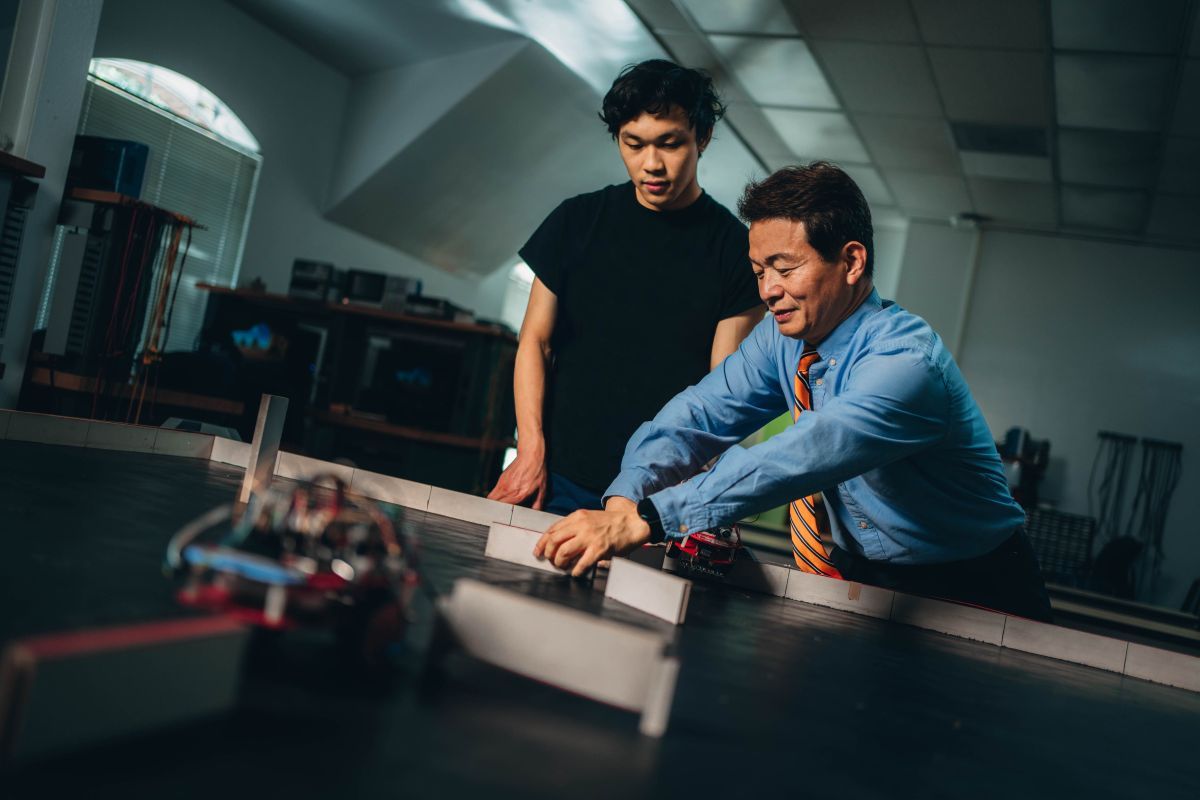
How does a car learn to drive itself? Students build and program robotic vehicles that sense their surroundings, avoid obstacles, follow routes, and navigate without a human driver. Using cameras, LiDAR, sensors, and programming tools, students explore how autonomous vehicles see the world, make decisions, and respond to changing conditions.

Hands-on challenges introduce computer vision, artificial intelligence, localization, mapping, and autonomous navigation using Python, C/C++, Linux, and Robot Operating System (ROS). From line tracking and obstacle avoidance to fully autonomous driving, students experience the technologies behind today’s self-driving vehicles.
Curriculum

Students build and program mobile robots while exploring how autonomous systems perceive their surroundings, process information, and make driving decisions. Using Python, C/C++, Linux, ROS, cameras, LiDAR, and other sensors, students develop and test programs for navigation and vehicle control.

Through hands-on projects, students investigate computer vision, artificial intelligence and machine learning, localization, mapping, and autonomous navigation. They test their programs on scaled robotic vehicles, troubleshoot performance, and refine their designs through repeated experimentation.

Team-based projects and demonstrations strengthen programming, engineering, problem-solving, communication, and collaboration skills while giving students experience with tools used in modern robotics and autonomous-vehicle development.

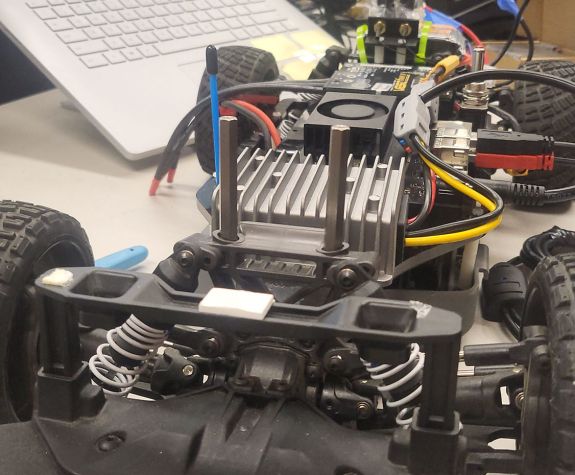
F1TENTH car and the computer
Planned Topics

The program is organized around the following core topics:

  • Building and programming mobile robotic vehicles
  • Cameras, LiDAR, and other sensing technologies
  • Line tracking and route following
  • Obstacle detection and avoidance
  • Wall-following and autonomous navigation
  • Computer vision and image processing
  • Artificial intelligence and machine learning in autonomous systems
  • Localization and mapping
  • Python, C/C++, Linux, and Robot Operating System (ROS)
  • Testing, troubleshooting, and improving autonomous driving systems
  • Scaled autonomous vehicles and driving challenges
  • Team project demonstrations and technical communication
Summer Institute Logo
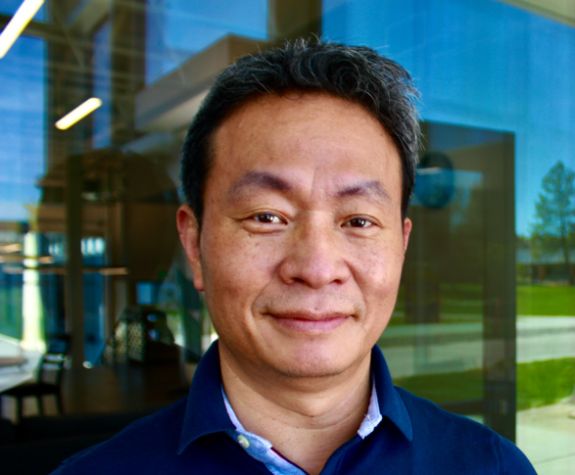
Dongbin Lee
Faculty Lead
Don Lee

Assistant Professor, ECPE (SOECS)

Ph.D., Clemson University, 2009

Dr. Dongbin "Don" Lee is an assistant professor in the School of Engineering and Computer Science at Pacific. He has expertise and interest in uncrewed robotic systems and AI/deep/machine learning techniques in application to self-driving autonomous vehicles, smart farmers-centered sustainable precision agriculture tech along with humanoids, drones and submersible vehicles.